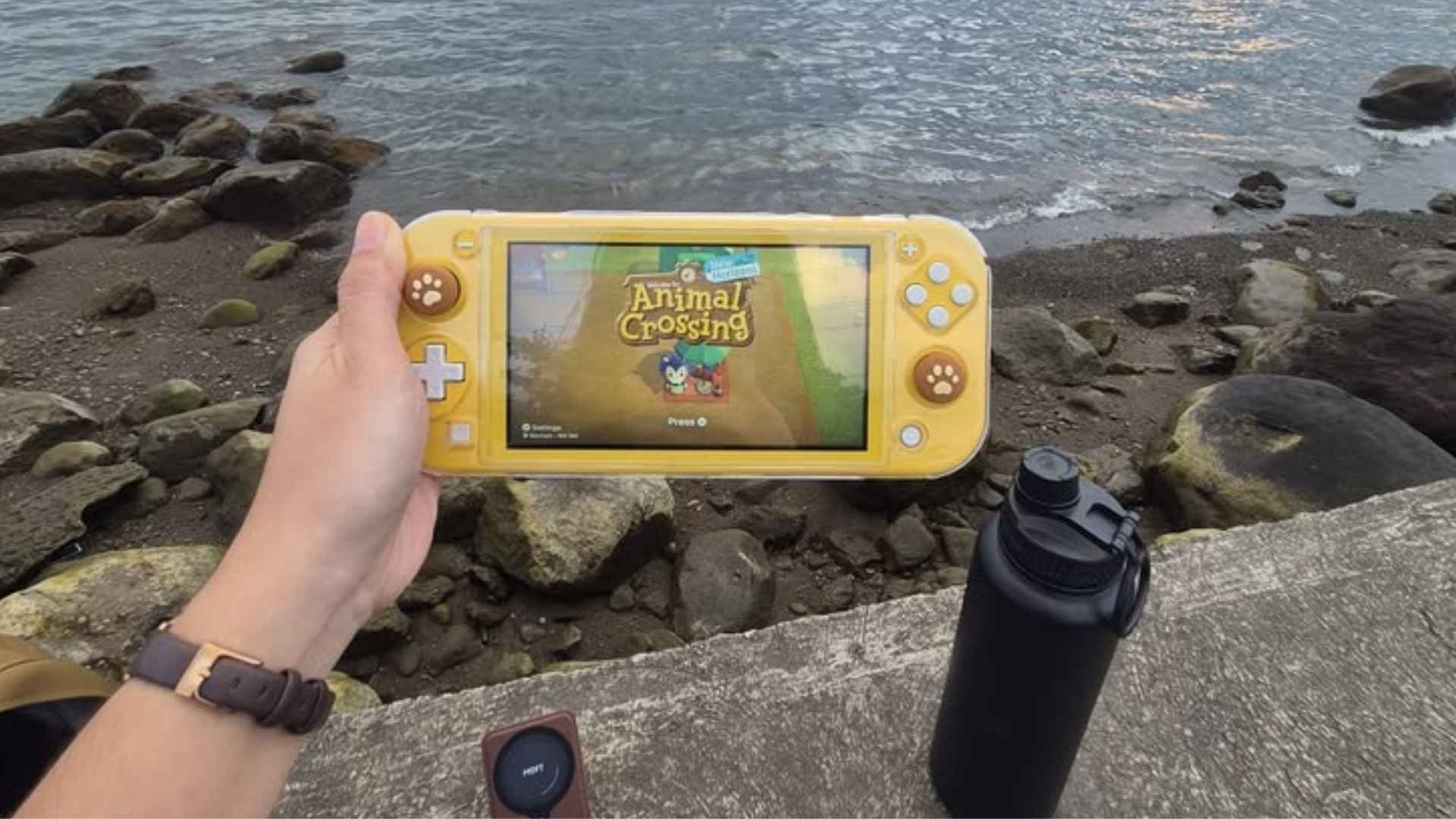
The global mobile gaming landscape has evolved rapidly, transforming smartphones from simple communication devices into fiercely competitive digital arenas. Millions of players connect daily to test their skills, build communities, and participate in high-stakes tournaments that rival traditional sporting events. This shift toward highly optimized, accessible, and skill-driven experiences ensures that portable gaming remains a dominant force in modern entertainment.
The Evolution of Hardware and Synchronized Matchmaking
Modern mobile processors and optimized network infrastructure have completely revolutionized how multiplayer games operate on handheld devices. Developers can now implement complex physics and real-time tracking systems that were previously restricted to expensive home consoles or desktop setups. This technological leap allows for incredibly smooth matchmaking loops, pairing players of similar skill levels almost instantly across different regions.
As 5G connectivity becomes the standard worldwide, latency issues that once plagued competitive mobile play have largely vanished. Gamers can now execute split-second maneuvers and coordinate advanced team tactics with absolute precision during intense matches. This level of responsiveness is vital for maintaining a fair and balanced playing field where individual skill truly determines the outcome.
Seasonal Formats and Thriving Esports Ecosystems
To keep the competitive flame burning over long periods, top-tier mobile titles rely heavily on structured seasonal updates and regular balance patches. These updates introduce fresh mechanics, map adjustments, and new characters that prevent the established strategic meta from becoming stale or predictable. Players are constantly challenged to adapt their playstyles and discover innovative tactics to maintain their positions on global leaderboards.
Beyond casual leaderboards, the rise of organized mobile esports tournaments has given amateur players a clear path toward professional validation. Massive prize pools and international broadcasts draw widespread attention, turning dedicated mobile gamers into recognized global athletes. Many enthusiasts follow platform developments closely on trusted hubs like Mansion88 to monitor community events, competitive shifts, and tournament structures. This professional infrastructure provides long-term motivation for players to continually refine their coordination and mechanical skills.
The Accessibility Paradigm and Cross-Platform Integration
One of the greatest strengths of modern mobile competition is its incredible accessibility compared to traditional desktop or console ecosystems. Almost anyone with a mid-range smartphone can download a top-tier title for free and immediately start competing against global opponents. This low barrier to entry democratizes competitive play, bringing together diverse player bases that enrich the overall community.
Furthermore, the expanding implementation of cross-progression and cross-play mechanics allows users to transition seamlessly between different screens without losing their competitive rankings. A player can practice complex mechanics during a daily commute and later join a coordinated team environment on a larger display at home. This flexibility ensures that competitive engagement fits naturally into diverse daily routines, keeping player bases active and vibrant around the clock.